Mastering 2026 MEC Guidelines: 6-Step Strategy for Educators
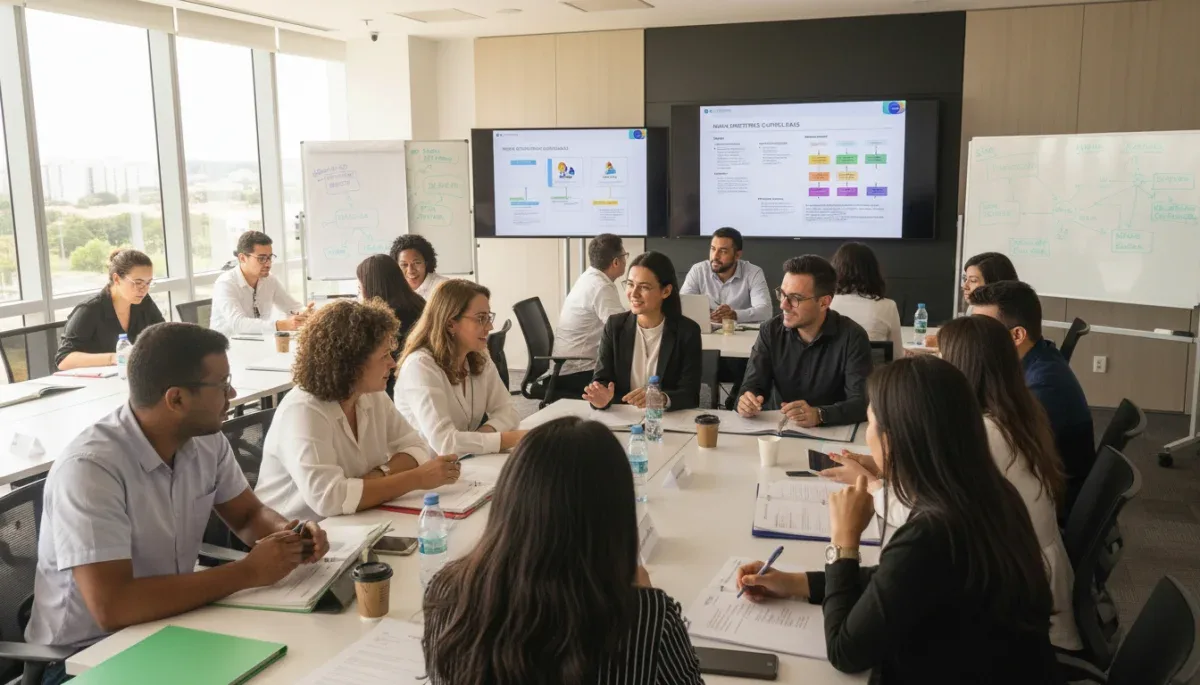
Brazilian educators can effectively master the 2026 MEC curriculum guidelines by adopting a strategic 6-step pedagogical approach focused on understanding changes, professional development, and innovative classroom implementation for student success.
The landscape of education in Brazil is constantly evolving, and staying ahead of changes is crucial for effective teaching. Mastering the 2026 MEC Curriculum Guidelines: A 6-Step Pedagogical Strategy for Brazilian Educators offers a vital roadmap for navigating these upcoming shifts, ensuring that educators are well-prepared to implement new directives and foster student success.
Understanding the 2026 MEC Curriculum Landscape
The Ministry of Education (MEC) in Brazil periodically updates its curriculum guidelines to reflect societal changes, technological advancements, and evolving educational philosophies. The 2026 guidelines represent a significant milestone, aiming to further refine the national common curricular base (BNCC) and introduce new pedagogical approaches that emphasize competency-based learning, critical thinking, and socio-emotional development. For educators across Brazil, grasping the core tenets of these forthcoming changes is the foundational step toward successful adaptation and implementation. It’s not merely about compliance; it’s about enhancing the quality of education provided to students.
These guidelines are designed to create a more cohesive and equitable educational system, ensuring that all students, regardless of their geographical location or socioeconomic background, have access to a high-quality education that prepares them for the challenges and opportunities of the 21st century. The emphasis shifts from rote memorization to a more dynamic, student-centered learning experience. Understanding the philosophical underpinnings and practical implications of these changes is paramount for any educator aiming to excel in the coming years.
Key Shifts in the 2026 Guidelines
- Increased Focus on Interdisciplinary Learning: The new guidelines encourage integrating different subjects to provide a holistic learning experience, helping students connect concepts across various domains.
- Emphasis on Digital Fluency: With technology becoming an integral part of modern life, the curriculum will place a stronger emphasis on digital literacy and computational thinking skills from an early age.
- Personalized Learning Pathways: There will be greater encouragement for schools to adapt teaching methods and content to cater to individual student needs and learning styles, fostering a more inclusive environment.
- Socio-Emotional Competencies: Beyond academic knowledge, the development of socio-emotional skills like empathy, resilience, and collaboration will be explicitly integrated into the curriculum.
Navigating these changes requires a proactive approach from educators. It involves not just reading the official documents but also engaging in discussions, attending workshops, and collaborating with peers to interpret and contextualize the guidelines for their specific educational settings. The goal is to move beyond superficial understanding to a deep, practical comprehension that can be translated into effective classroom strategies.
In essence, understanding the 2026 MEC curriculum landscape means more than just acknowledging new rules; it means embracing a new vision for Brazilian education. Educators must become active participants in this transformation, recognizing that their role is central to the successful implementation of these progressive changes. This initial step sets the stage for all subsequent pedagogical strategies.
Step 1: Deep Dive into the Official Documents
The first and most critical step for any educator is to immerse themselves in the official MEC documents detailing the 2026 curriculum guidelines. These documents are the authoritative source of information, outlining the objectives, pedagogical principles, and expected learning outcomes. Simply skimming through summaries or relying on secondary interpretations can lead to misunderstandings and incomplete implementation. A thorough, detailed review is indispensable for foundational knowledge.
This deep dive involves more than just a single read-through. It requires careful annotation, cross-referencing, and perhaps even creating personal summaries or mind maps to internalize the complex information. Educators should pay close attention to the language used, the specific examples provided, and the underlying philosophy that guides the new directives. Understanding the 'why' behind each change is as important as understanding the 'what'.
Strategies for Document Analysis
To make the process of analyzing official documents effective and less overwhelming, educators can adopt several structured strategies. These methods help break down the information into manageable parts and ensure a comprehensive understanding.
- Segmented Reading: Break the documents into smaller, thematic sections. Focus on one section at a time, ensuring full comprehension before moving to the next. This prevents information overload.
- Keyword Identification: Highlight key terms, concepts, and phrases that appear repeatedly. These often indicate core themes and priorities within the guidelines.
- Comparative Analysis: Compare the new guidelines with previous versions. Identify what has changed, what remains the same, and what has been emphasized or de-emphasized. This provides context and highlights areas requiring significant adaptation.
- Collaborative Study Groups: Form study groups with colleagues to discuss interpretations, clarify doubts, and share insights. Different perspectives can enrich understanding and identify nuances that might be missed when studying alone.
Beyond individual study, it is beneficial for school leadership to organize dedicated sessions where the entire faculty can collectively review and discuss the documents. This ensures a shared understanding across the institution and fosters a collaborative environment for implementation. Such sessions can include presentations, Q&A segments with educational experts, and group activities focused on specific sections of the guidelines.
The goal of this deep dive is to build a robust mental framework of the new curriculum. This framework will serve as the reference point for all subsequent pedagogical planning and classroom activities. Without a solid understanding of these foundational documents, any attempt at strategy development or implementation will be built on shaky ground. It is the bedrock upon which effective teaching practices for 2026 and beyond will be constructed.
Step 2: Professional Development and Continuous Learning
Once educators have a solid grasp of the new guidelines, the next crucial step is to engage in targeted professional development. Theoretical understanding must be complemented by practical skills and updated pedagogical methodologies. The 2026 MEC curriculum guidelines often require new ways of teaching, assessing, and interacting with students, necessitating a commitment to continuous learning and skill enhancement.
Professional development should not be a one-off event but an ongoing process. It involves workshops, seminars, online courses, and peer-to-peer learning opportunities that specifically address the competencies and approaches outlined in the new curriculum. Investing in educators' growth is an investment in the future of students and the overall quality of the educational system.
Tailoring Professional Development
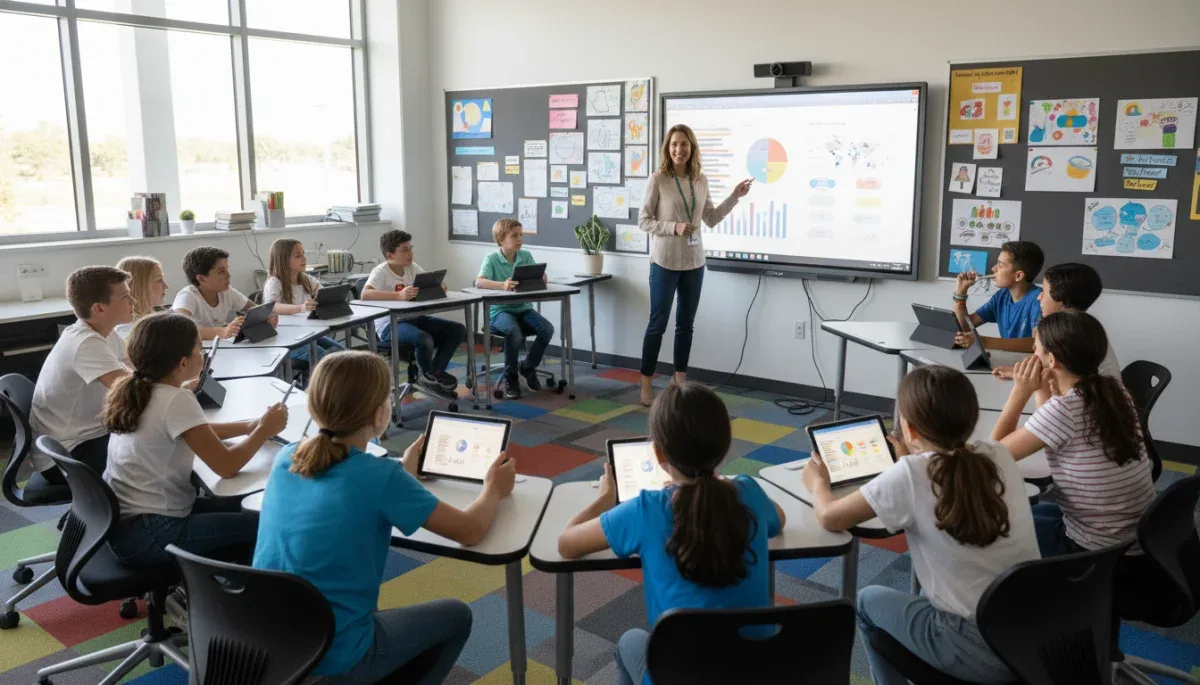
Effective professional development is not generic; it is tailored to the specific needs of educators and the demands of the new curriculum. This means identifying gaps in current knowledge and skills and then seeking out training that directly addresses those areas. For example, if the guidelines emphasize project-based learning, training should focus on designing, implementing, and assessing such projects.
- Skill-Based Workshops: Focus on practical skills required by the new curriculum, such as integrating digital tools, facilitating interdisciplinary projects, or implementing formative assessment techniques.
- Expert-Led Seminars: Bring in specialists who can provide deeper insights into specific aspects of the guidelines, offering advanced strategies and best practices.
- Peer Coaching and Mentorship: Establish programs where experienced educators can mentor their colleagues, sharing practical tips and offering constructive feedback in a supportive environment.
- Online Learning Platforms: Utilize MOOCs (Massive Open Online Courses) and specialized educational platforms that offer flexible learning opportunities on topics relevant to the 2026 guidelines.
School leaders play a vital role in facilitating this continuous learning by allocating resources, time, and creating a culture that values professional growth. They should actively seek feedback from teachers on their development needs and ensure that the training provided is relevant, practical, and impactful. Furthermore, encouraging educators to share their learning and experiences with their colleagues can amplify the benefits of professional development across the entire institution.
Ultimately, professional development for the 2026 MEC curriculum guidelines is about empowering educators. It equips them with the confidence and competence to embrace new challenges, experiment with innovative pedagogies, and ultimately, provide a richer, more effective learning experience for all students. This ongoing commitment to learning is what transforms policy into practice and vision into reality.
Step 3: Curriculum Mapping and Resource Alignment
With a clear understanding of the guidelines and enhanced pedagogical skills, the next strategic step is to meticulously map the existing curriculum against the new 2026 MEC directives. This process involves identifying areas of alignment, gaps that need to be filled, and content that may need to be revised or removed. It’s a systematic approach to ensure that what is taught in the classroom directly reflects the national expectations.
Curriculum mapping is not a one-person job; it requires collaborative effort among departments, grade levels, and subject matter experts. The goal is to create a coherent and cohesive educational pathway that progresses logically from one grade to the next, ensuring all learning objectives are met efficiently and effectively. This also involves critically evaluating current teaching resources and identifying new ones that align with the updated curriculum.
Practical Steps for Mapping and Alignment
To effectively map the curriculum and align resources, educators can follow a structured process. This ensures thoroughness and helps in identifying all necessary adjustments.
- Gap Analysis: Compare current learning objectives, content, and assessments with those stipulated in the 2026 MEC guidelines. Pinpoint where current practices fall short or where new elements need to be introduced.
- Resource Audit: Review all existing textbooks, digital tools, supplementary materials, and assessment instruments. Determine their relevance and effectiveness in supporting the new curriculum.
- Resource Acquisition/Development: Based on the audit, identify what new resources need to be acquired (e.g., new textbooks, software licenses) or developed in-house (e.g., lesson plans, activity sheets, project guides).
- Cross-Curricular Integration Plan: Develop strategies for integrating themes and competencies across different subjects, especially given the increased emphasis on interdisciplinarity in the new guidelines.
During this phase, it’s crucial to involve teachers from all relevant disciplines and grade levels. Their practical insights into what works in the classroom are invaluable for creating a realistic and effective curriculum map. Furthermore, involving them in the resource selection and development process fosters a sense of ownership and ensures that the materials are practical and engaging for both educators and students.
The outcome of this step should be a detailed curriculum map that clearly outlines learning objectives, content coverage, pedagogical approaches, and assessment methods for each grade level and subject, all in alignment with the 2026 MEC guidelines. This map then becomes the guiding document for all instructional planning and delivery, ensuring consistency and quality across the school. It’s the blueprint for successful implementation.
Step 4: Pedagogical Innovation and Classroom Implementation
With the curriculum mapped and resources aligned, the focus shifts to bringing the new guidelines to life in the classroom through pedagogical innovation. This step is where theoretical knowledge and strategic planning translate into tangible learning experiences for students. It involves experimenting with new teaching methods, fostering student engagement, and creating dynamic learning environments that reflect the spirit of the 2026 MEC curriculum.
Pedagogical innovation encourages educators to move beyond traditional methods and embrace approaches that promote critical thinking, creativity, collaboration, and problem-solving. It’s about empowering students to become active participants in their learning journey, rather than passive recipients of information. This requires a willingness from educators to adapt, reflect, and continuously refine their teaching practices.
Embracing New Teaching Methodologies
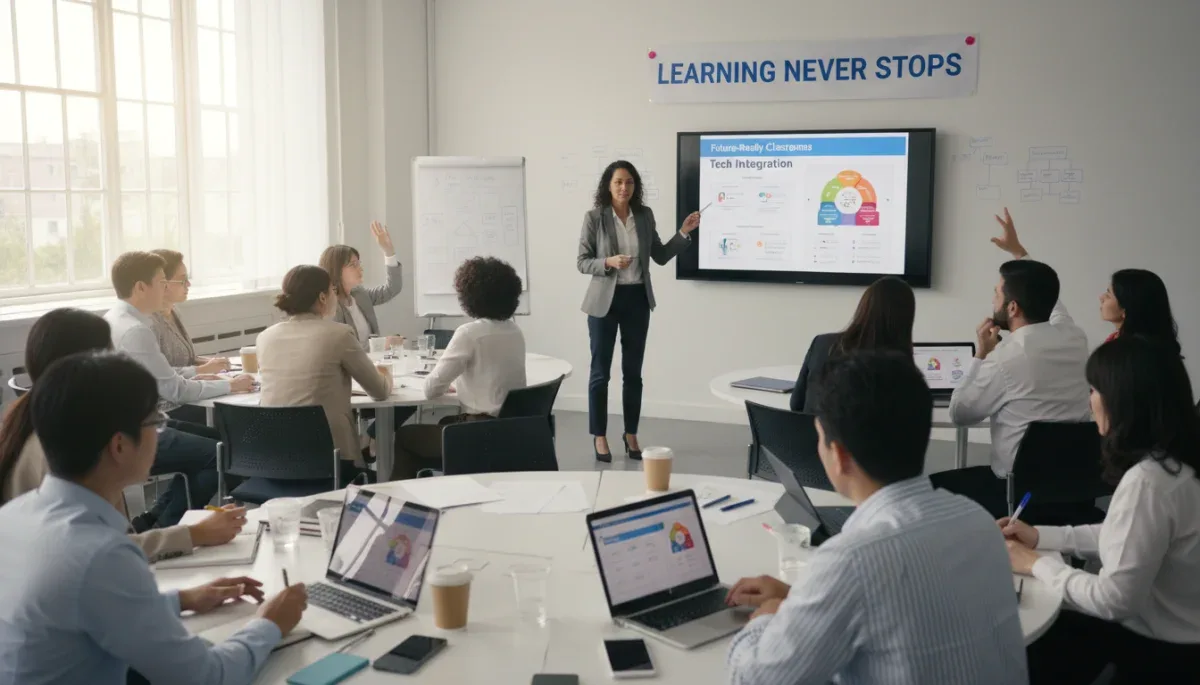
The 2026 MEC guidelines advocate for a more student-centered and competency-based approach, which calls for the adoption of diverse teaching methodologies. Educators should explore and integrate techniques that align with these principles.
- Project-Based Learning (PBL): Engage students in complex, real-world projects that require them to apply knowledge and skills from multiple disciplines, fostering deeper understanding and practical application.
- Inquiry-Based Learning: Encourage students to ask questions, investigate topics, and construct their own understanding through exploration and discovery, promoting curiosity and critical thinking.
- Collaborative Learning: Design activities that require students to work together in groups, fostering teamwork, communication, and social skills crucial for future success.
- Technology Integration: Utilize digital tools, platforms, and resources to enhance learning, provide interactive experiences, and develop digital literacy skills as emphasized in the new curriculum.
Successful implementation also involves creating a classroom culture that supports risk-taking, encourages questioning, and values diverse perspectives. Educators should act as facilitators, guiding students through their learning process, providing constructive feedback, and fostering an environment where mistakes are viewed as learning opportunities. This shift in role requires educators to be adaptable, empathetic, and open to continuous improvement.
Furthermore, it’s essential to regularly reflect on the effectiveness of new pedagogical approaches. What works well? What needs adjustment? Gathering feedback from students, observing their engagement, and analyzing learning outcomes can provide valuable insights for refining instructional strategies. This iterative process of innovation, implementation, and reflection is key to truly embedding the 2026 MEC guidelines into daily classroom practice and ensuring a rich, meaningful educational experience for all students.
Step 5: Assessment Redesign and Feedback Mechanisms
The 2026 MEC curriculum guidelines not only redefine what is taught but also how learning is assessed. Traditional assessment methods, often focused on rote memorization, may not adequately capture the breadth of competencies emphasized in the new framework, such as critical thinking, problem-solving, and socio-emotional skills. Therefore, a significant step involves redesigning assessment strategies to align with these new objectives and establishing robust feedback mechanisms.
Assessment should be viewed as an integral part of the learning process, providing valuable information to both students and educators. It should be varied, authentic, and reflective of real-world applications of knowledge and skills. The goal is to move towards a more holistic evaluation that truly measures student growth and development across all dimensions outlined in the curriculum.
Developing Aligned Assessment Strategies
To effectively assess the competencies highlighted in the 2026 guidelines, educators need to diversify their assessment toolkit. This involves incorporating a mix of formative and summative assessments that provide a comprehensive view of student learning.
- Performance-Based Assessments: Evaluate students' ability to apply knowledge and skills in practical tasks, such as presentations, projects, experiments, or simulations.
- Portfolios: Collect a range of student work over time to demonstrate growth in skills, understanding, and reflection, particularly useful for showcasing interdisciplinary learning.
- Rubrics: Develop clear rubrics that outline expectations for competency demonstration, providing transparency to students and consistency in grading.
- Self and Peer Assessment: Encourage students to evaluate their own work and that of their peers, fostering self-reflection, critical analysis, and collaborative learning skills.
Crucially, effective assessment is paired with meaningful feedback. Feedback should be timely, specific, actionable, and focused on helping students understand their strengths and areas for improvement. It should guide them in their learning journey rather than simply assigning a grade. Establishing channels for regular, constructive feedback—both from educators to students and among students themselves—is vital for continuous learning and development.
Educators should also consider how to assess socio-emotional competencies, which often require observational methods, self-reflection journals, and peer feedback in addition to traditional measures. This holistic approach ensures that all aspects of the 2026 MEC curriculum are being effectively evaluated. By redesigning assessments and integrating strong feedback loops, educators can better support student learning and accurately report on their progress in line with the new national standards.
Step 6: Monitoring, Evaluation, and Continuous Adjustment
The implementation of any new curriculum, especially one as comprehensive as the 2026 MEC guidelines, is an ongoing process, not a one-time event. The final, yet continuous, step in this pedagogical strategy is to establish robust systems for monitoring, evaluating, and making continuous adjustments. This iterative process ensures that the implemented strategies remain effective, responsive to student needs, and aligned with the evolving educational landscape.
Monitoring involves regularly observing classroom practices, student engagement, and learning outcomes. Evaluation goes deeper, analyzing the data collected to determine the impact and effectiveness of the implemented curriculum and pedagogical approaches. Based on these insights, adjustments are made to refine strategies, address challenges, and capitalize on successes. This cycle of continuous improvement is essential for long-term success.
Building a System for Ongoing Improvement
To ensure the effective monitoring, evaluation, and adjustment of the curriculum implementation, schools and educators can establish several key practices:
- Data Collection: Systematically collect data on student performance (academic and socio-emotional), teacher feedback on curriculum resources and strategies, and parent perceptions. This data can come from assessments, surveys, observations, and focus groups.
- Regular Review Meetings: Schedule periodic meetings (e.g., quarterly or bi-annually) with faculty and leadership to review collected data, discuss implementation challenges and successes, and share best practices.
- Pilot Programs: For significant changes, consider piloting new units or pedagogical approaches with a smaller group before full-scale implementation, allowing for refinement based on early feedback.
- Flexibility and Adaptability: Foster a culture that embraces flexibility and acknowledges that initial plans may need modification. Educators should feel empowered to adapt strategies based on real-time classroom experiences and student responses.
Feedback loops are critical in this stage. Not only should educators receive feedback on their implementation efforts, but students and parents should also have avenues to share their experiences and suggestions. This inclusive approach ensures that the curriculum remains relevant and effective for all stakeholders. The insights gained from monitoring and evaluation can inform professional development needs, resource allocation, and even future curriculum revisions.
Ultimately, this continuous cycle of monitoring, evaluation, and adjustment transforms the implementation of the 2026 MEC curriculum guidelines from a static directive into a dynamic, living framework that evolves with the needs of the students and the educational community. It is through this commitment to ongoing improvement that Brazilian educators can truly master the new guidelines and ensure a high-quality, relevant education for every student.
| Key Step | Brief Description |
|---|---|
| Deep Dive into Documents | Thoroughly analyze official MEC guidelines for comprehensive understanding. |
| Professional Development | Engage in continuous learning to update skills and pedagogical approaches. |
| Curriculum Mapping | Align existing curriculum and resources with new 2026 MEC directives. |
| Monitoring & Adjustment | Continuously evaluate implementation and make necessary refinements. |
Frequently Asked Questions about 2026 MEC Guidelines
What are the primary goals of the 2026 MEC curriculum guidelines?▼The primary goals are to enhance competency-based learning, foster critical thinking, integrate digital literacy, and develop socio-emotional skills among Brazilian students. They aim for a more holistic and equitable education, preparing students for 21st-century challenges and opportunities by refining the BNCC and promoting interdisciplinary approaches.
How can educators best prepare for these new guidelines?▼Educators should begin by thoroughly reading official MEC documents, engaging in targeted professional development, and collaborating with colleagues. Curriculum mapping, resource alignment, and experimenting with innovative pedagogical strategies are also crucial steps for effective preparation and implementation.
Will there be specific training provided by the MEC for these changes?▼While MEC typically provides general guidance and resources, the primary responsibility for specific training often falls to state and municipal education departments, as well as individual schools. Educators should actively seek out local workshops, seminars, and professional development opportunities tailored to the new guidelines.
What impact will these guidelines have on student assessment?▼The guidelines will necessitate a shift towards more diverse and authentic assessment methods, including performance-based tasks, portfolios, and rubrics. The focus will be on evaluating competencies like critical thinking and problem-solving, rather than just rote memorization, requiring educators to redesign their assessment strategies.
How important is technology integration in the new curriculum?▼Technology integration is highly important. The 2026 MEC guidelines emphasize digital fluency and computational thinking. Educators are encouraged to use digital tools to enhance learning, facilitate interdisciplinary projects, and prepare students for an increasingly digital world, making it a core component of modern pedagogy.
Conclusion
Mastering the 2026 MEC curriculum guidelines is an ambitious yet achievable goal for Brazilian educators. By systematically following a 6-step pedagogical strategy—from deep dives into official documents and continuous professional development to innovative classroom implementation and ongoing evaluation—educators can confidently navigate these transformative changes. This proactive approach ensures that the educational landscape in Brazil evolves to meet the demands of the 21st century, fostering a generation of students who are not only academically proficient but also critically engaged, socially aware, and prepared for future success. The commitment to understanding, adapting, and continuously improving teaching practices will be the cornerstone of this educational advancement.